
Before the Chemotherapy Session
Before starting chemotherapy, blood was taken every time to check whether the body and immune system were strong enough for the treatment and free of infection. Depending on the type of chemo, this was done either a few days before or even half an hour to an hour before the treatment.
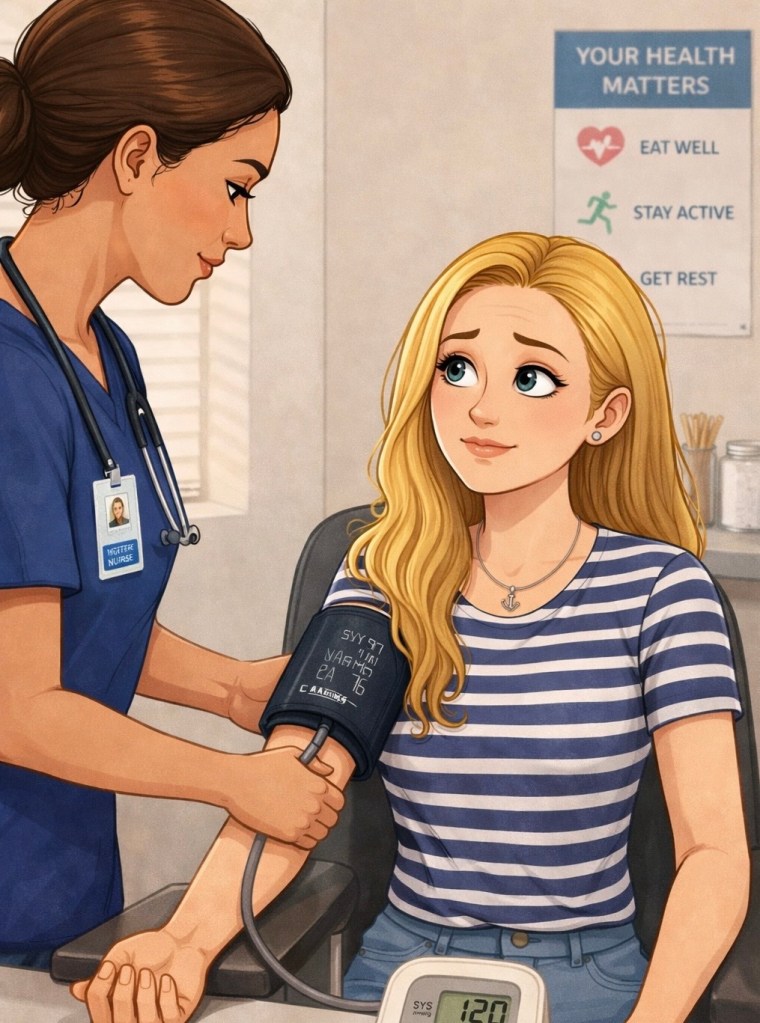
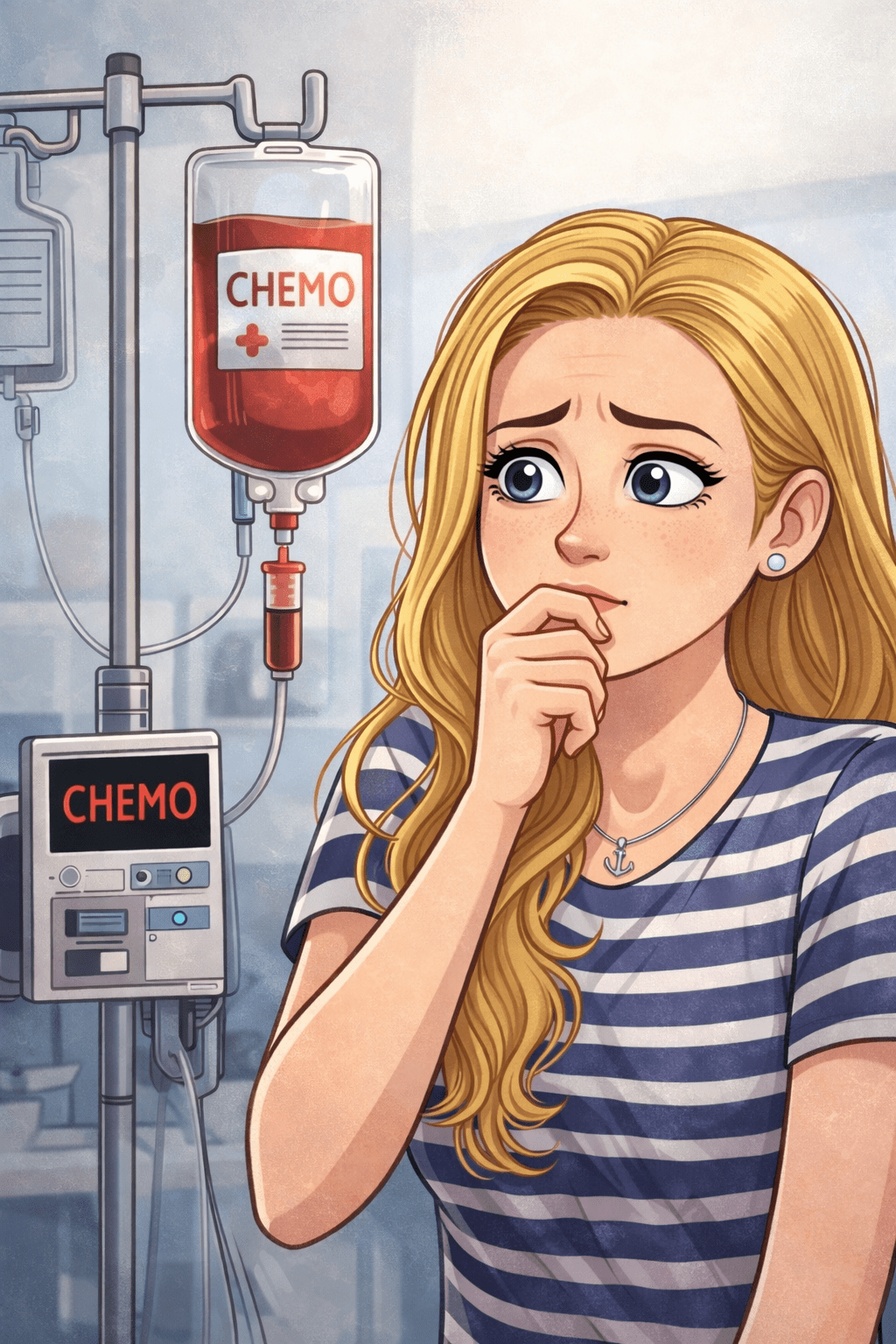
I received two different types of chemotherapy. First, I had 4 cycles of epirubicin, also known as the “red devil” because of its bright red color and its notoriously difficult side effects. After that came the planned 12 cycles of paclitaxel, of which I ultimately received “only” 9.
While epirubicin was given every two weeks due to the longer recovery time required, paclitaxel followed a weekly schedule. Blood tests for the first were done days before treatment, whereas for the second they were done immediately beforehand. I never asked why, but I assume it’s related to the difference in intensity between the two.
If blood results don’t reach certain levels, treatment is postponed, which is something worth considering when planning how long the overall course might take. This didn’t happen to me due to blood results, but I did have delays for other reasons (side effects, hospital training).
In addition to blood tests, they also checked blood pressure, pulse, breathing rate, and body temperature. My weight was also monitored. All of this is to ensure that you receive the correct dose and that there is no infection in your body that would pose a higher risk than the unavoidable ones. Even if something isn’t perfect, treatment may still be recommended—but you can always decide to skip it if you don’t feel well enough.
After they checked my obs, I moved into a comfortable reclining chair with a footrest. Several people were receiving treatment in the same room, and unfortunately (likely due to infection control), no one was allowed to come with me.
A nurse then came and prepared the port. She cleaned it with alcohol and then inserted a needle that, for someone like me who has had a lifelong needle phobia, looked quite intimidating. Strangely, I didn’t find it painful the first time, but later it became more so, so I was prescribed a lidocaine cream, which solved that problem completely. The port is then flushed, which isn’t unpleasant—just a cool sensation.
Cold Cap
Then came the cold cap, which is meant to help preserve at least some of your hair, and which I would best describe as “hell in 13 acts” (the number of my treatments). Or maybe 12 and a half, because oddly, the first time didn’t seem as terrible as the others. I blame adrenaline—it probably dulled the pain somewhat due to the initial excitement, but that’s just my theory.
The cold cap session, which is completely optional, started with wetting my hair with water and conditioner. Then they placed a very tight rubber-like cap filled with some kind of liquid on my head. On top of that, an even tighter cap was added to press it down further. This was then connected to a machine that froze the liquid—and with it, the hair follicles.
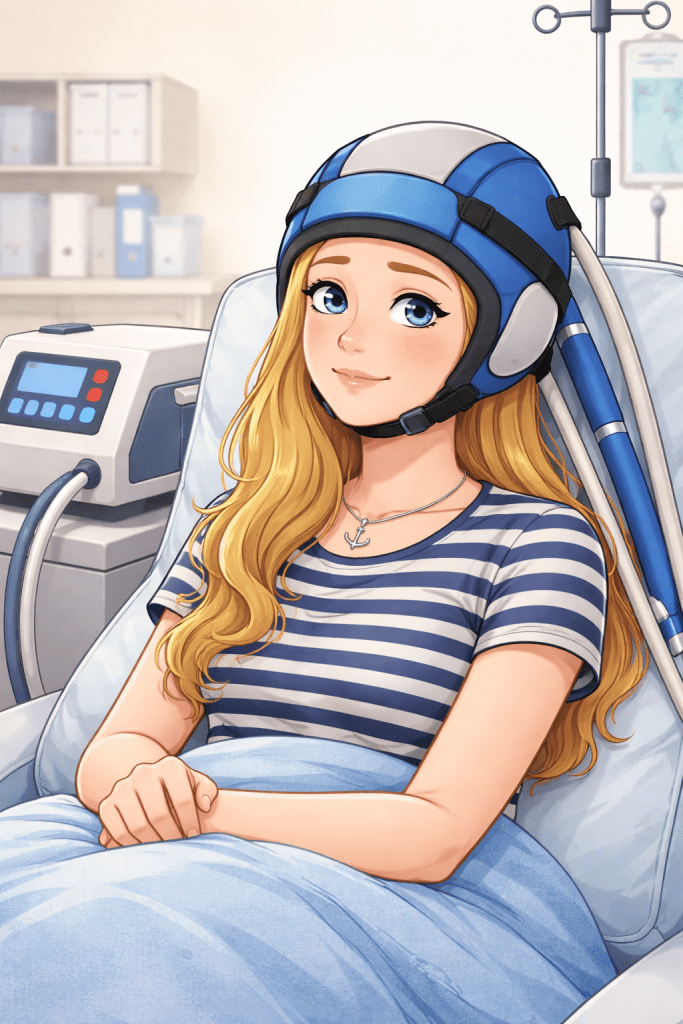
It surprised me that this protects the hair rather than damaging it, since all my childhood I was told not to go outside without a hat in winter or my hair would fall out. Apparently, that’s one of those myths—like carrots improving eyesight or whistling indoors.
But back to the cold cap. Before chemo, they advised taking two paracetamol tablets an hour beforehand to ease the discomfort (or, as I’d call it, the brutality of it). I never skipped this, but for me, the pain it caused made it the most traumatic part of the entire treatment.
It felt like pressing an ice cube from the freezer against your temples as a child—but while you’d pull it away after about 30 seconds because of the stinging, here you have to endure it for about 2.5–3 hours across your entire head, while it’s also tightly compressed by the cap.
They say the first 20 minutes are the worst because after that the scalp goes numb… well, I’m not sure. For me, it only seemed to ease when I knew it would soon be over. Every single time I swore I would never, ever do this again, no matter what.
So why did I continue? Because by the next session I had calmed down, and I saw how others lost all their hair almost immediately, while mine thinned more diffusely. And then I thought—after all this suffering, should I really give up now? Let’s try one more time. And that’s how I made it through all 13 sessions.
I won’t repeat what went through my mind during the 12th and 13th times they tightened that thing on my head though—it wouldn’t be suitable for print, and it wouldn’t be fair to anyone who wasn’t at fault—but I endured it, and I’m very proud of that.
Of course, it may not be this bad for everyone. I never even liked having my hair done at the hairdresser. But I don’t think anyone finds it pleasant—most people around me either gave up early or refused it altogether.
Aside from the pain, it also makes you very cold. I brought a heated blanket with me, and for me at least, the squeezing pain completely destroyed my ability to concentrate during the cold cap. I couldn’t read, and I didn’t really feel like talking either.
I don’t know if I would choose the cold cap again if I ever needed chemotherapy in the future. My hair remained enough that, when tied up, no one who didn’t know me would have guessed I was going through chemo—which I’m grateful for—but when loose, the thinning was still visible.
There was also an unexpected downside: instead of losing all my hair and having it grow back evenly, new hair started growing among the remaining strands at random times, which was… quite a visual experience.
One positive surprise was that it didn’t give me headaches. Since I suffer from chronic migraines—which at one point meant up to 20 headache days a month—the cold cap wasn’t initially recommended for me, and I was sure that would be the reason I couldn’t do it. But it seems that vanity, and my concern about how my children—especially my autistic son—would react to my changed appearance, carried me through.
Neuropathy Prevention
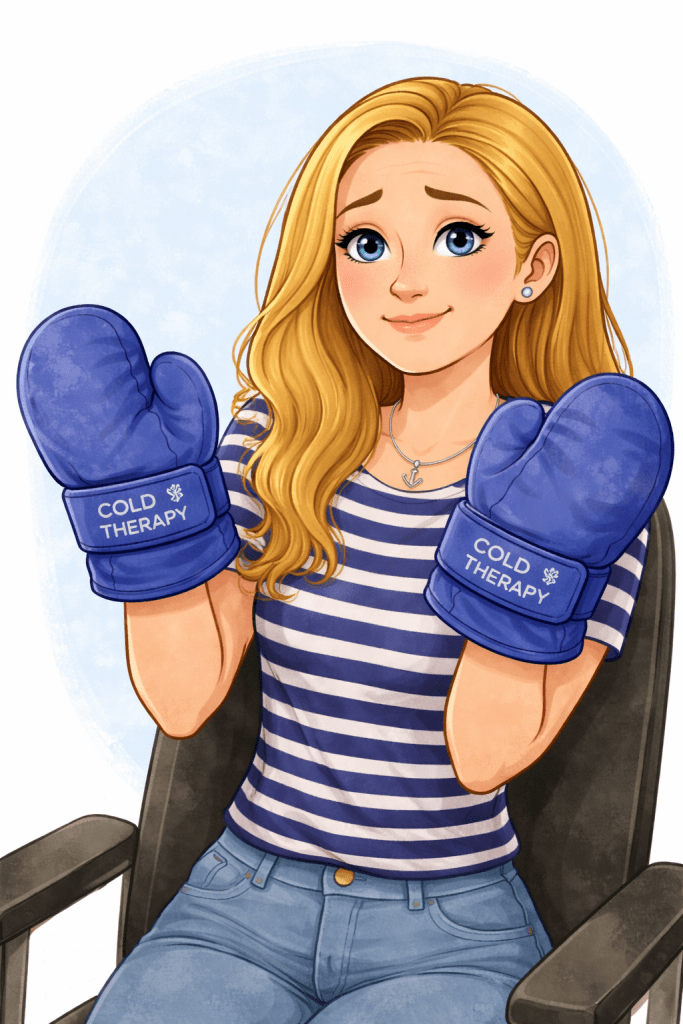
Before chemotherapy, I also bought cooling gloves and socks, which are meant to help prevent the neuropathy often associated with paclitaxel. In the end, I only used them once or twice, because together with the cold cap, it was simply too much for me.
Unfortunately, I did end up experiencing some degree of neuropathy, but I genuinely couldn’t tolerate any more cold, so I’m not willing to feel guilty about that decision.
Unlike the cold cap, these were not provided by the hospital—but they did store them in the freezer for me.
(To be continued…)


 Blooming Anyway
Leave a comment